Forge and hearth construction
Guides on building blacksmith forges, hearths and other high-heat work zones with the right combination of fire bricks, refractory concrete and dependable jointing materials.
Refractory systems, insulation and heatproof construction
Technical articles for fireplaces, stoves, forges and ovens.
Clear guidance on fire bricks, refractory cement, insulation and repair materials.
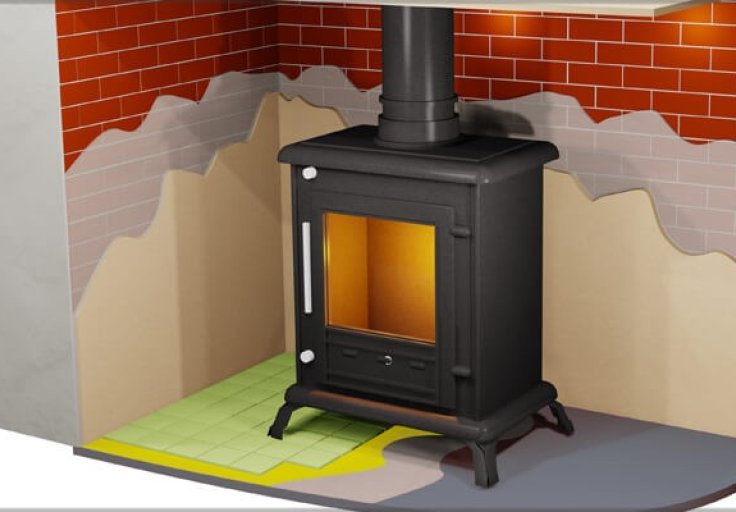
Guides on building blacksmith forges, hearths and other high-heat work zones with the right combination of fire bricks, refractory concrete and dependable jointing materials.
Clear introductions to the Vitcas range: fire cement, castable refractory, heat resistant adhesives, boards and insulation products used across fireplaces, stoves and ovens.
Learn how to layer structural and insulating materials correctly to retain heat, improve safety and extend the service life of kilns, bread ovens, fireplaces and flue systems.
Step-by-step articles covering crack repair, sealing stove doors, refreshing fireback surfaces and choosing heat-resistant products for long-term upkeep.

Posted on 10/27/7428 05:22PM
Finishing a fireplace is not only a matter of aesthetics, but also functionality and safety. When considering what to finish the fireplace with, many people choose fireplace surround panels, which are vital to the overall design. Fireplace built-in panels are a great solution for those who want...
Posted on 10/04/2026 09:00AM
The accumulation board is meant to store heat in a specific system, while light insulation limits its flow. These tasks are not interchangeable. In a cool living room, the selection of additional material should follow the heating system design, not just the expectation that a thicker layer will hea...
Posted on 09/04/2026 09:00AM
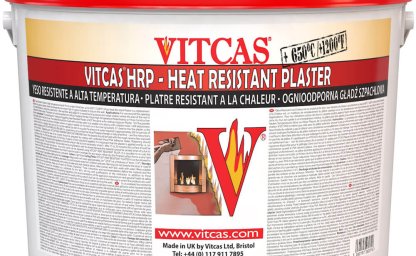
At the fireplace wall, it is necessary to distinguish between restoring a larger area and repairing a small defect. Selection starts from the layer that remains under the new material. The high temperature in the product name does not replace the assessment of the substrate and the cause of the dama...